Satellit 2

Fuori Raccordo. A satellite view of Rome’s Off-Spaces
16. November 2026
Chiara Gargiuli

“Fuori Raccordo”, outside the Grande Raccordo Anulare, the A90 ring motorway that encircles central Rome. The title points to the periphery, even if not all of the spaces featured actually lie beyond it. In a city whose institutions focus on its heritage and whose collectors are notoriously conservative, Chiara Gargiuli traces how artist-run and hybrid spaces have found room for research and experimentation beyond the market. She introduces four of them: Spazio in Situ, CONDOTTO48, CASTRO and Lateral Roma. 

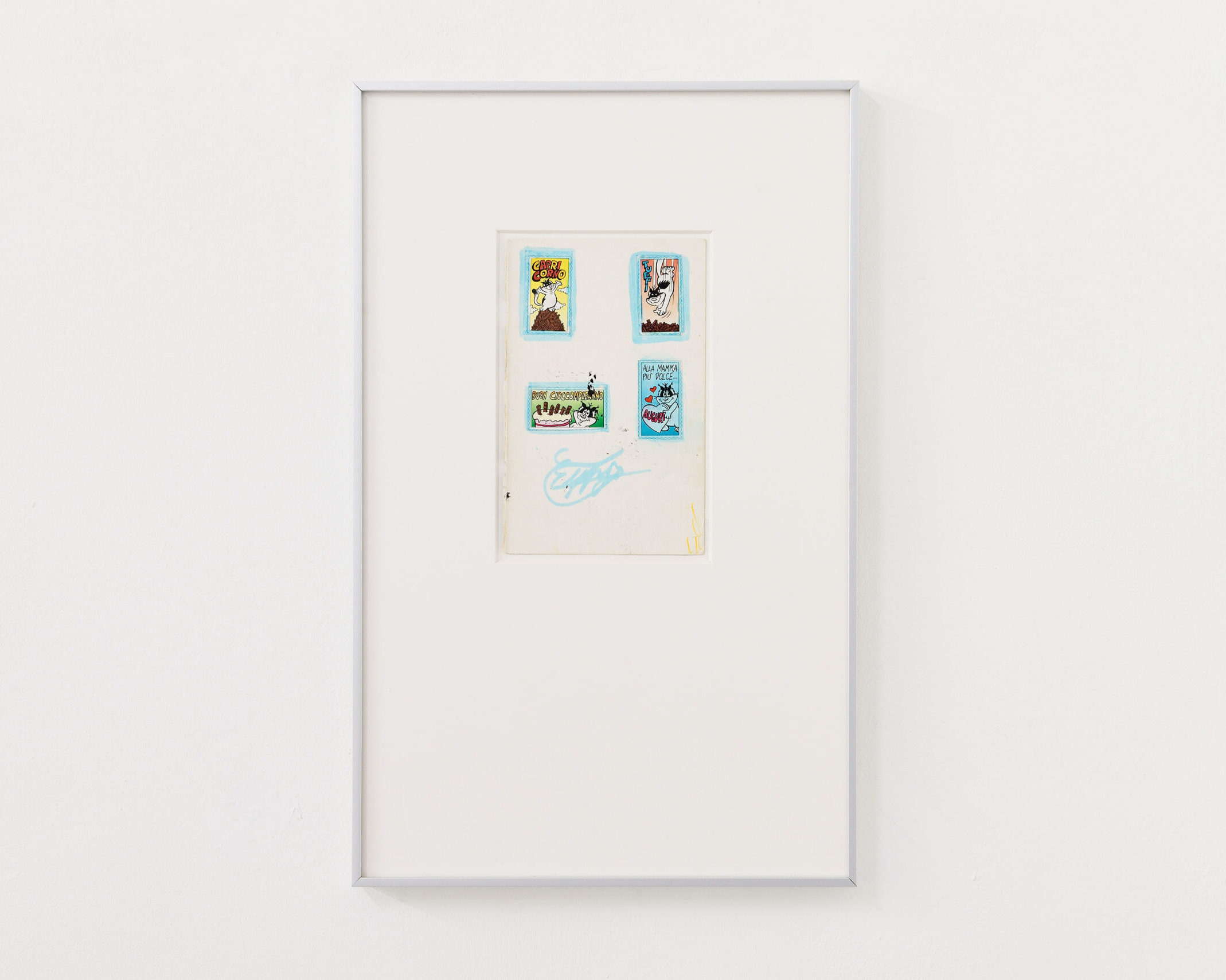
Exhibition view, Endi Tupja: "Bones Touching Water", curated by Marta Federici, Lateral Roma © Roberto Apa

Over the last decades, the gap between institutional and historicized art products and their underground counterparts has grown larger and larger, specifically in countries such as Italy, where institutions are continuously dealing with admired collections and focus mostly on valorising our heritage. But what happens to the current artistic production? How is it possible to assimilate and archive contemporary products when we lack the space, time, and resources in established museums and galleries?

On top of that, the Italian art market – and particularly the Roman one – is extremely peculiar: Italian collectors have historically been very wealthy, but they are notoriously conservative. Because the formal Italian art market is heavily concentrated in Milan and hyper-focused on historicized masterworks, young contemporary artists in Rome have been liberated from the pressure of commercial conformity. Since local collectors aren’t buying raw, experimental art anyway, Roman off-spaces are thriving. 

We shouldn’t, however, mistake this phenomenon as an alternative business model. It is rather a radical remapping of Rome’s visual culture and urban infrastructure.[1]  When talking about off-spaces, it is important not to forget a characteristic feature: by definition, their primary purpose is not to turn a profit but to promote artistic research and experimentation. And because they are not bound to specific directives regarding funding and private collectors, their art forms are given total freedom to explore risky and temporary site-specific media.

Contemporary Roman off-spaces can be divided into two categories. The first one includes pure, artist-run collectives that are managed, funded, and experienced continuously by the resident artists.

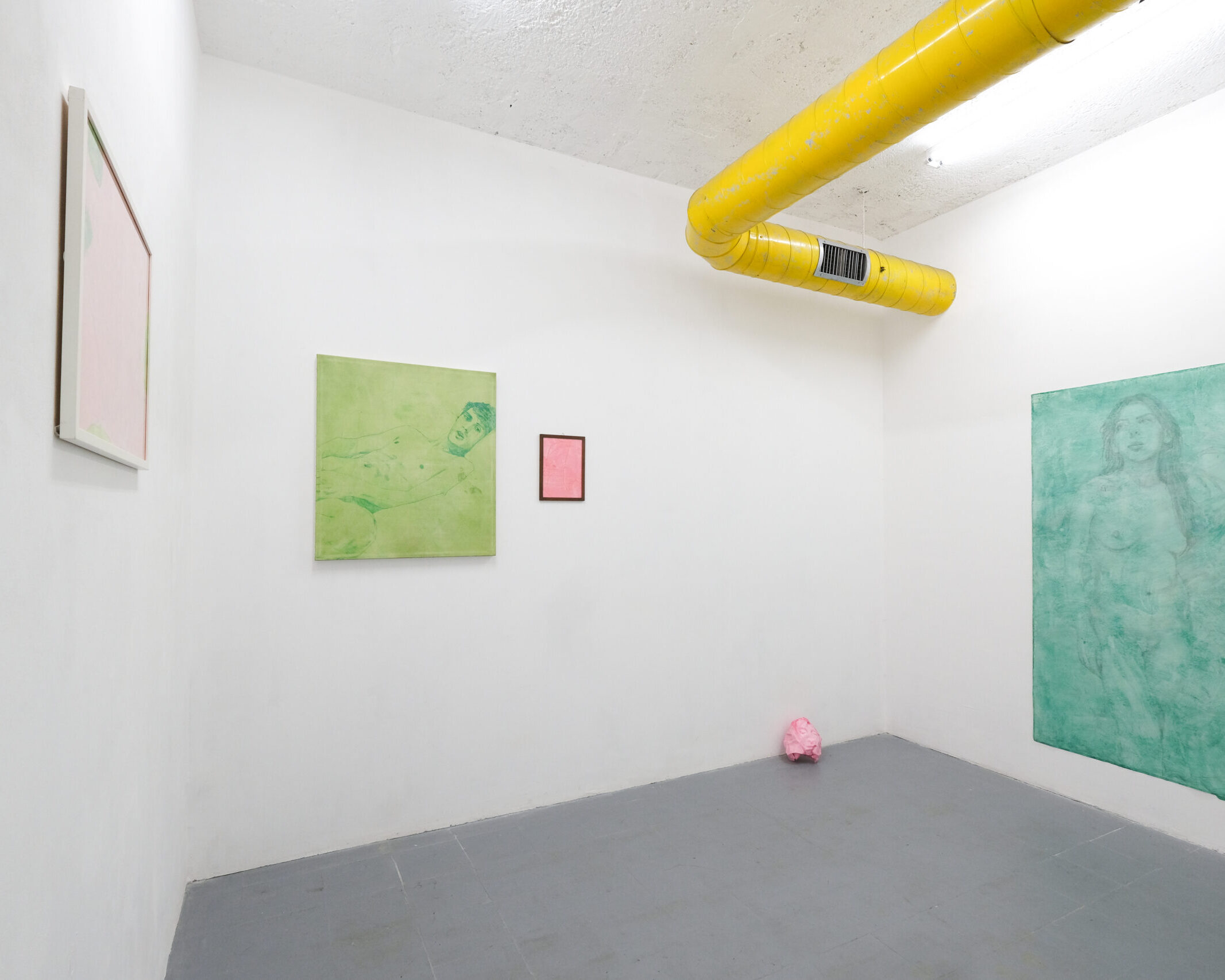
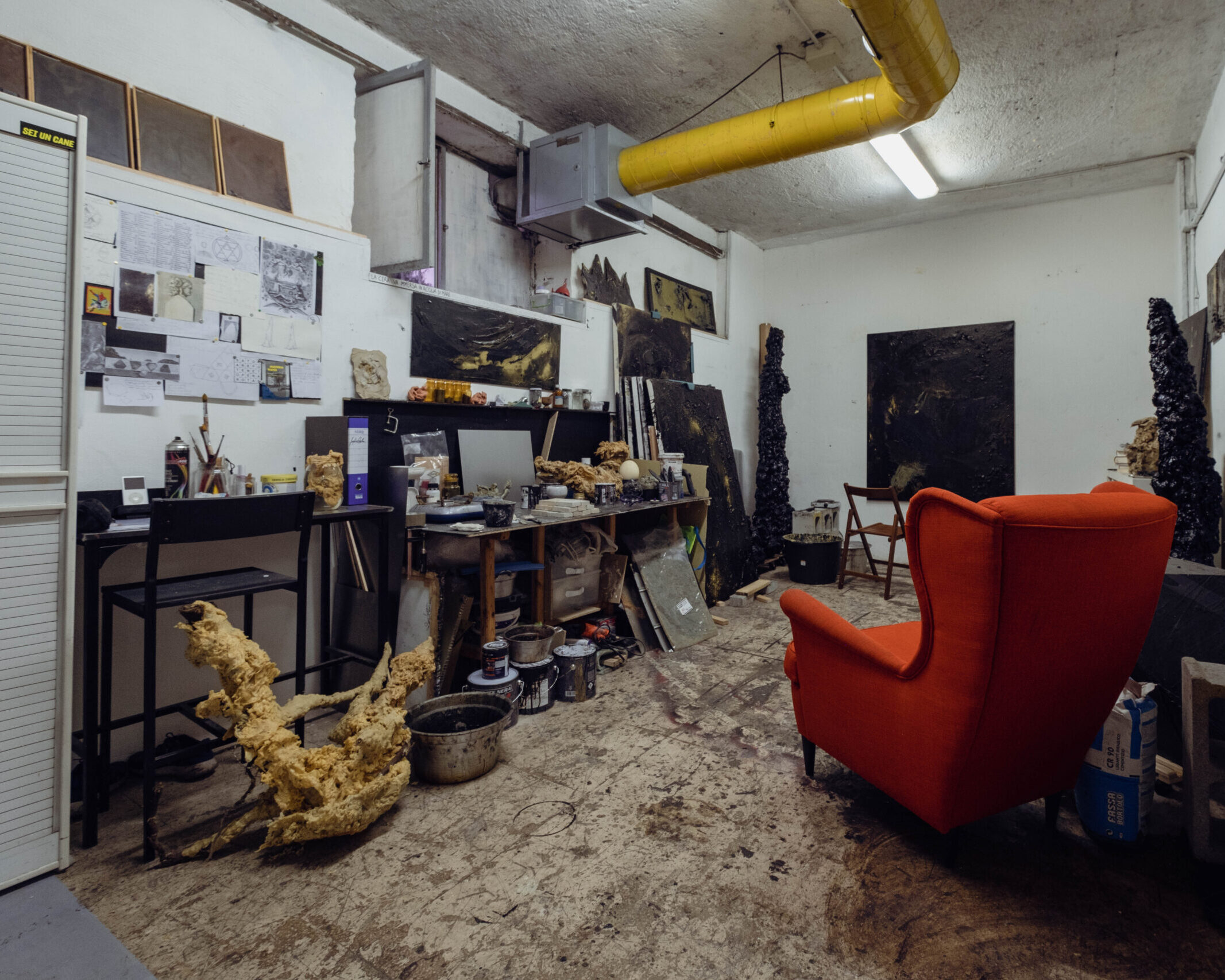
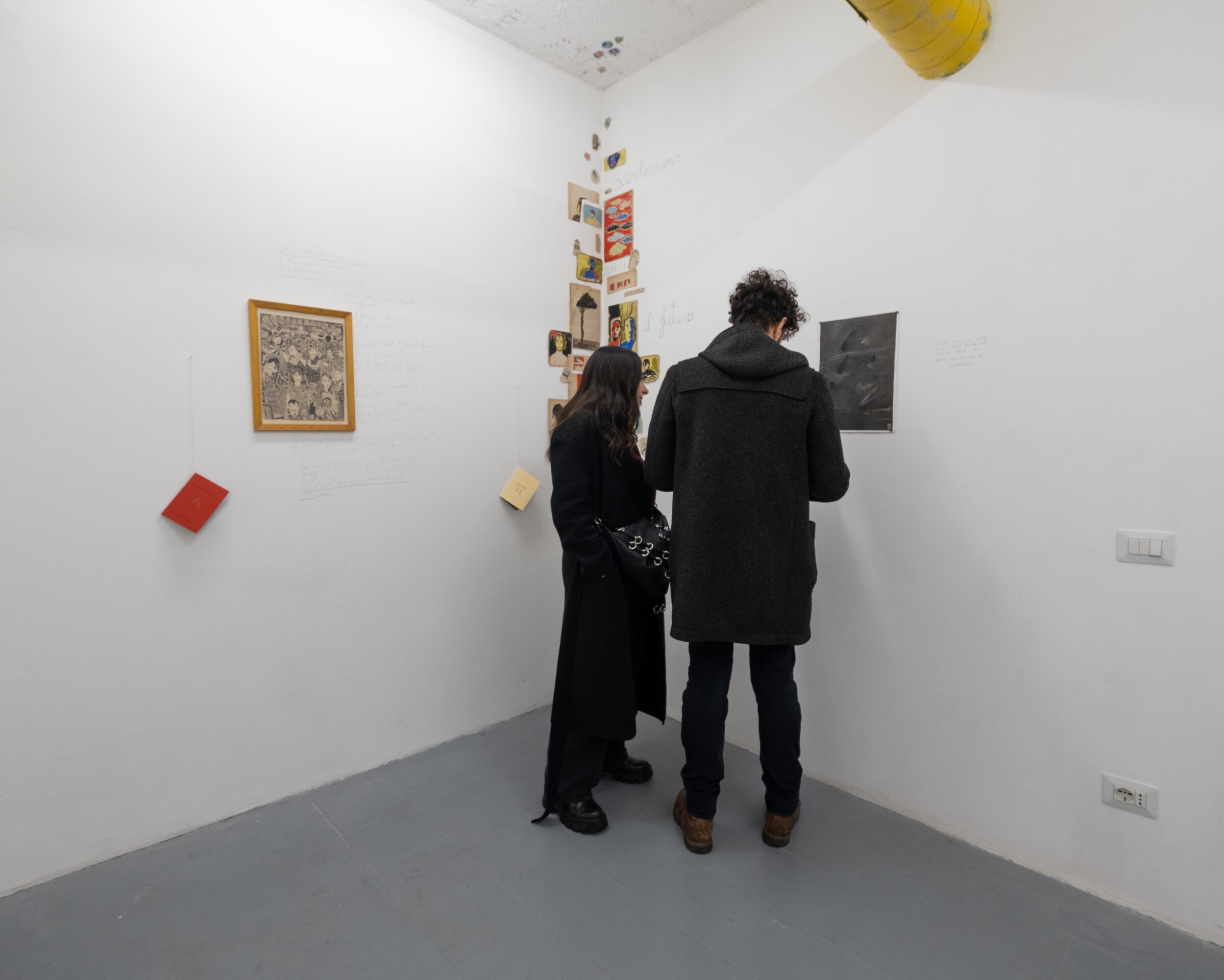
Among these we can find Spazio In Situ (Pigneto), which this year celebrates the 10th anniversary of its founding. The artist-run space (currently managed by Alessandra Cecchini, Marco De Rosa, Chiara Fantaccione, Andrea Frosolini, Daniele Sciacca, and Guendalina Urbani) currently includes 6 studios – split between Tor Bella Monaca, in the eastern periphery, and Pigneto – and an exhibition space. Its program appears thematically curated and aligned with an original vision, clear from the name itself: In Situ is Latin for “on site, in place”. The space’s identity is strongly tied to everything that hasn’t been central – physically and metaphorically – in the city’s art scene (all that is too new, too young, too outskirt): the artists and founders have created a new focal point outside the canonical circuits, promoting and valorizing emerging artists. At Spazio In Situ, the friction with traditional gallery culture is structural: artists run the space, curating, critiquing, and presenting their own work directly and on their own terms – which appears clear even from the exhibitions’ ironic titles, such as WTF – we tolerate future (Meital Katz-Minerbo, Cristina Lavosi, Luca Miranda, primeira desordem, Francesco Penci, Enea Toldo, Fabien Zocco, curated by Alessandra Cecchini, 01.03.24–01.04.24) or LOREM IPSUM / A collective exhibition without a theme (a collective exhibition by Spazio In Situ Artists, curated by Irene Sofia Comi, 18.10.22–25.11.22).

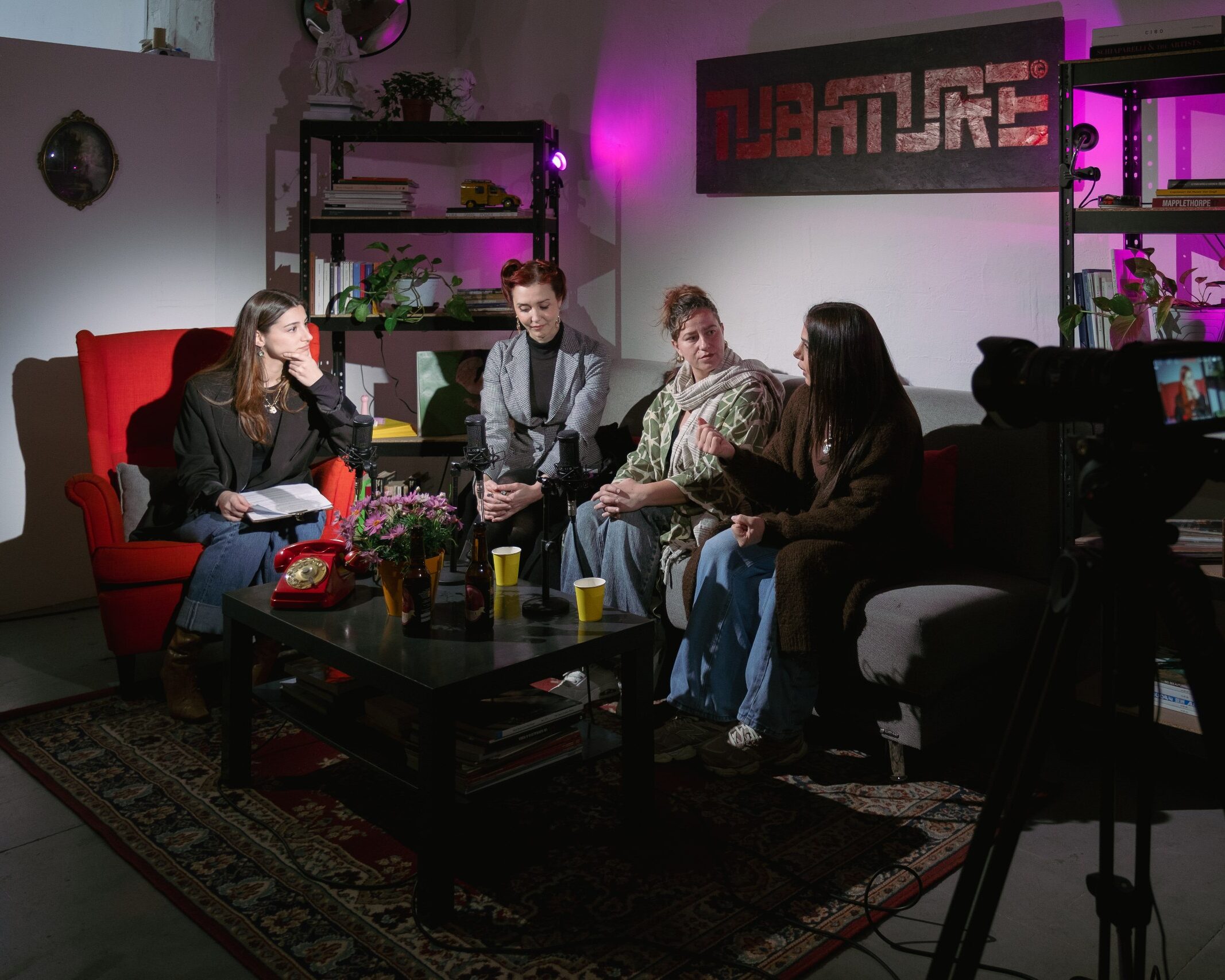
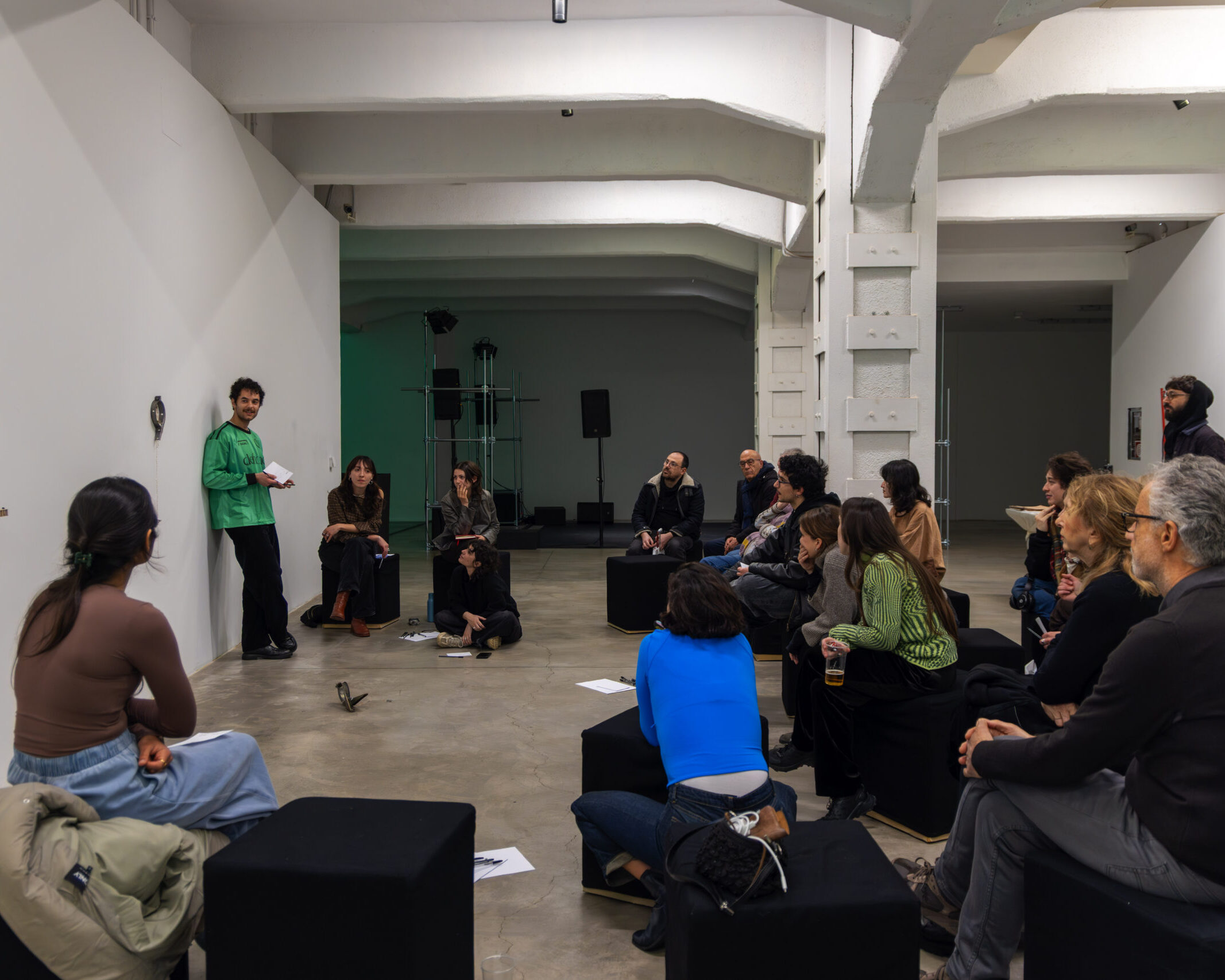
Similar is the mission of CONDOTTO48 (Torre Angela), a space founded in 2021 from a raging need and desire common among Roman artists: to share one’s artistic process with colleagues and critics. The structure (managed by Verdiana Bove, Francesca Romana Cicia, Luca di Terlizzi, Emanuela Fasciani, and Carolina Sammartino) aspires to support young artists within a professional yet underground context. Since introducing a dedicated Project Room in 2022 to showcase curated exhibitions, the initiative has continued to expand, with projects such as the podcast/talk series TUBATURE, curated by Susanna Maria Proietti, and the PAGINEGIALLE library project by the curatorial duo BIRE (Beatrice Ciotoli and Irene Iodice), focused on promoting indie publishing.

Spaces like Spazio In Situ and CONDOTTO48 don’t try to re-enact established commercial models (which most likely would not even work in the Roman context) but explicitly embrace production as both the process and the product, challenging the strict distinction between  the studio and the exhibition space.

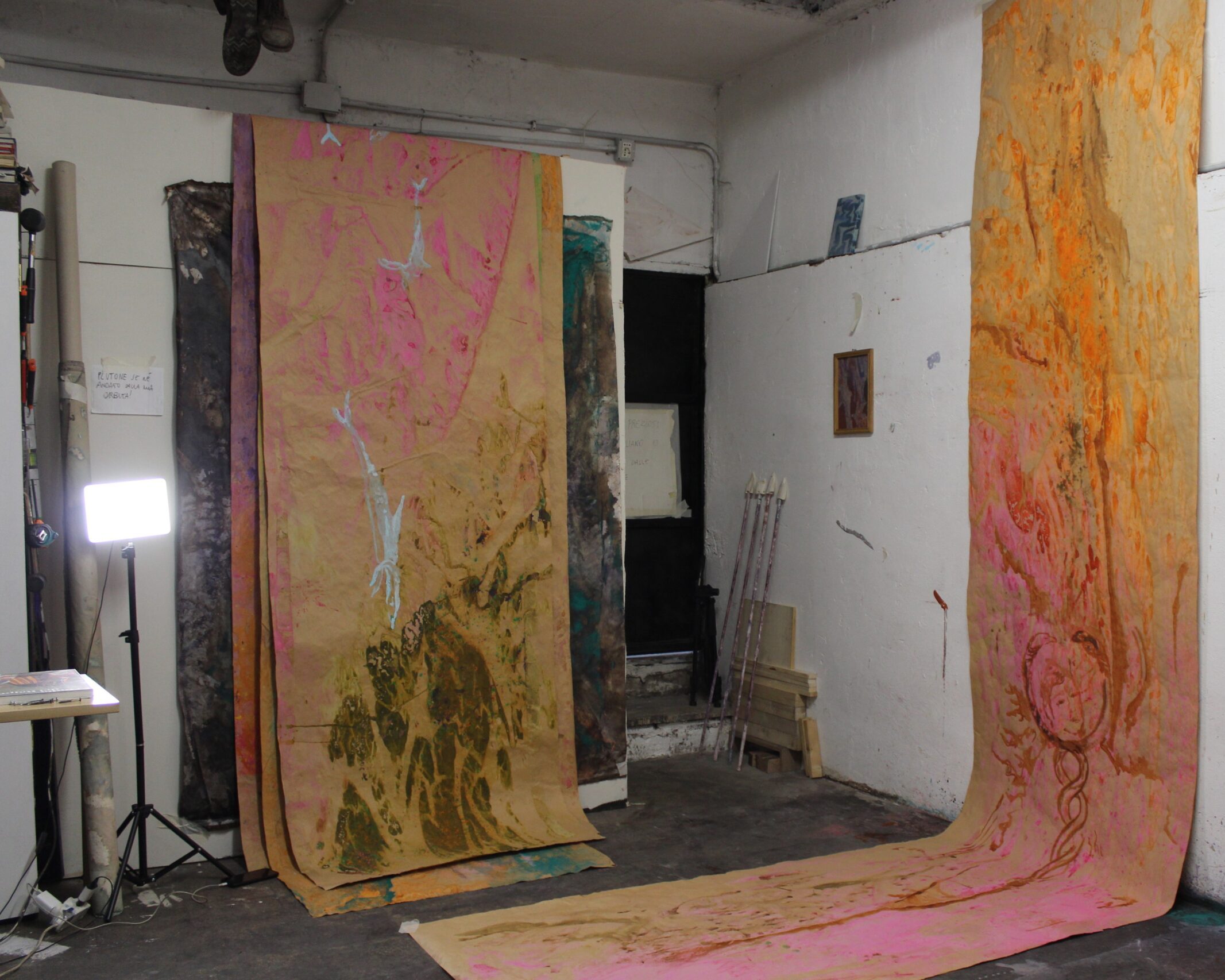
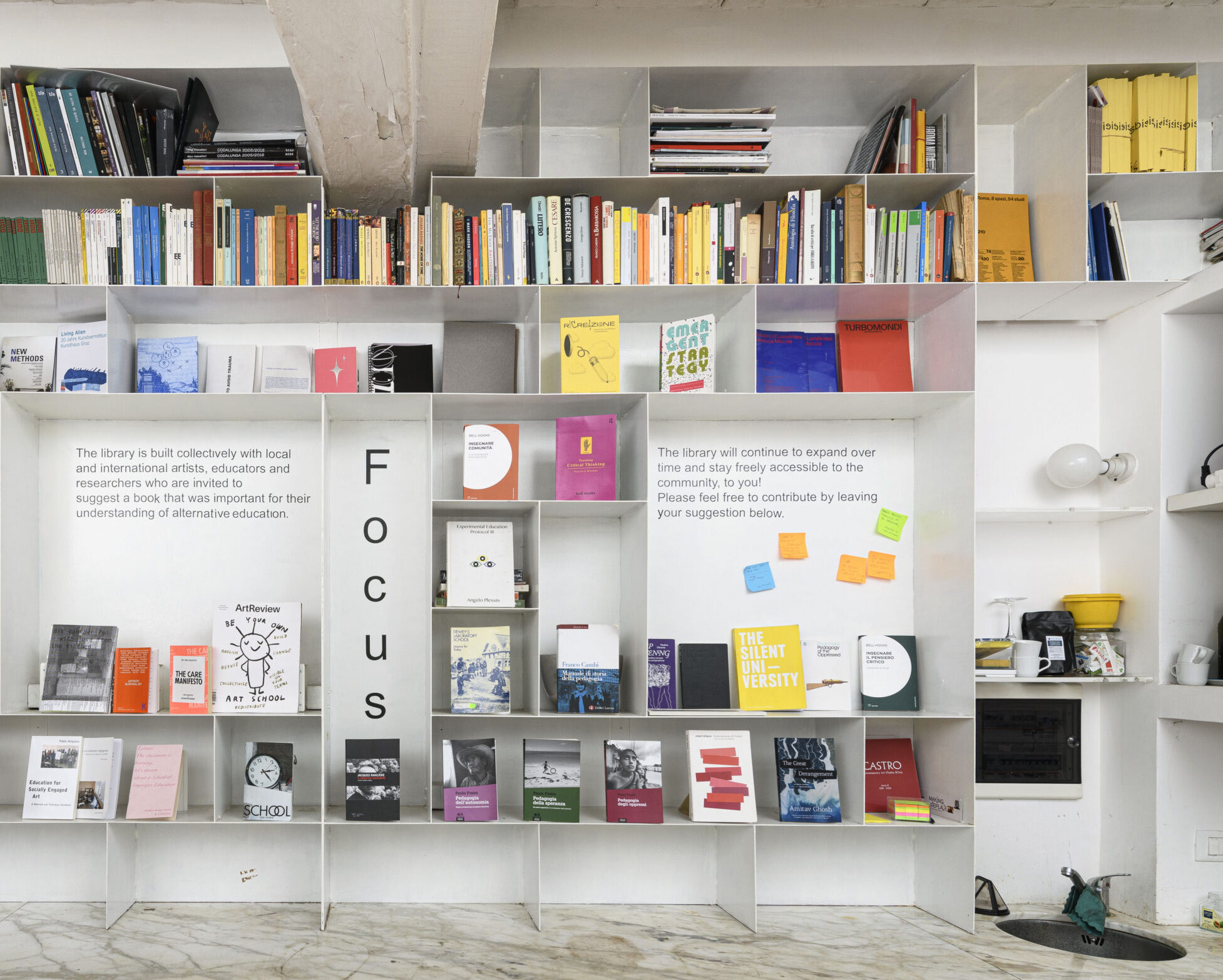
The second category of independent art spaces includes curatorial platforms and hybrid spaces that combine non-profit programming with multidisciplinarity or training. One of them, CASTRO (Trastevere), is a space for alternative learning, founded in 2018 and currently run by Gaia di Lorenzo, Angelica Bollettinari, and Anna Tagliacozzo. CASTRO stands for Contemporary Art Studios in Rome, but it is not just an acronym: it also refers to the Latin word castrum, the initial settlement upon which new cities were founded. Its annual programming is based on three main tracks: the Studio Program, the Public Program, and the Academic Program. The Studio Program is a semi-private laboratory centered on peer critique, research, and material experimentation; the Public Program opens the space to a broader demographic (students, neighborhood residents, critical theorists, and independent cultural workers), de-gentrifying Trastevere back into an active site of public debate and collective learning; lastly, the Academic Program connects international fellows with local Roman practitioners. Structured as a non-profit alternative academy, CASTRO offers residency programs and fellowships to artists and curators from around the world and is currently working on a new educational program for artists living in Rome, PEER (2027).

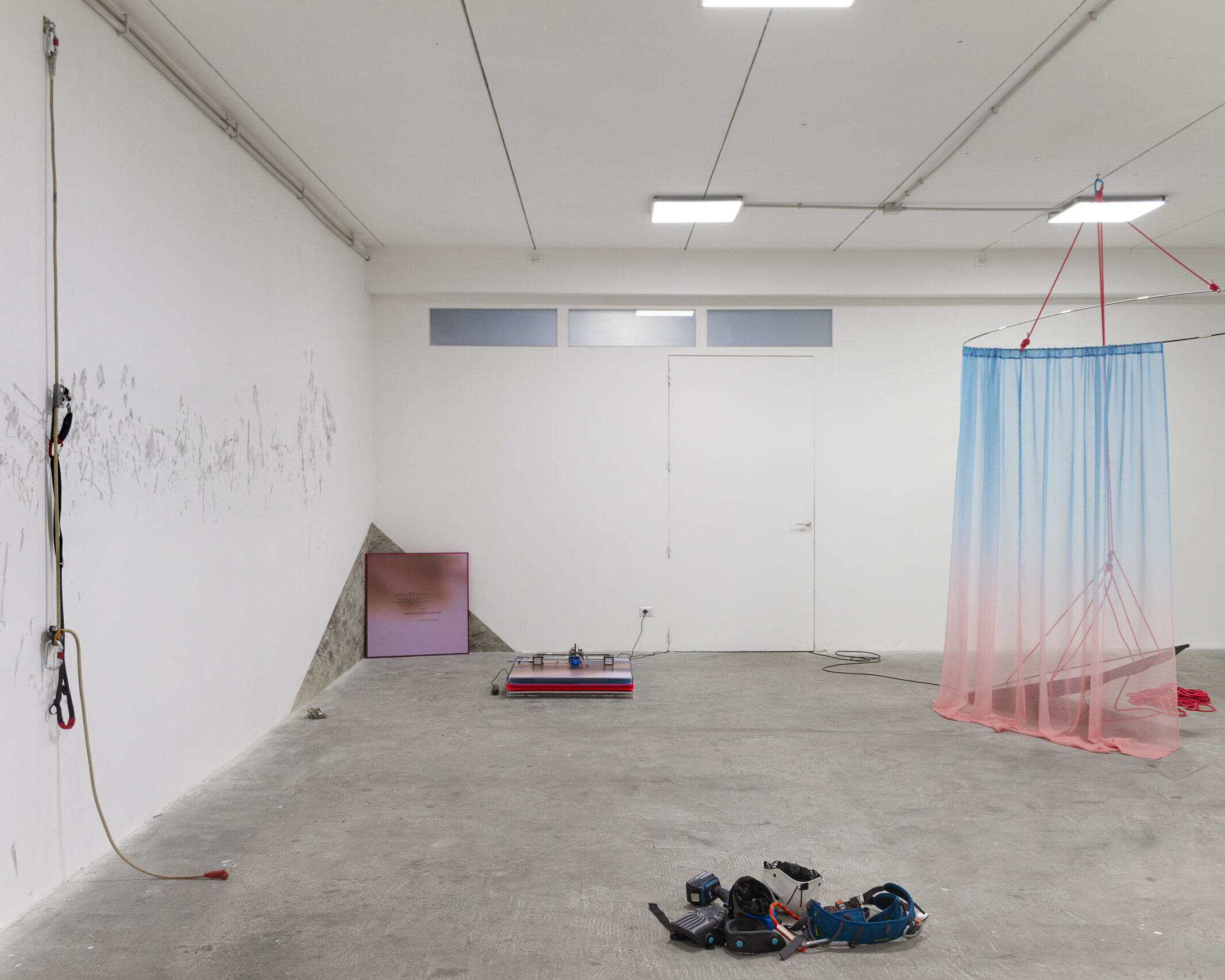
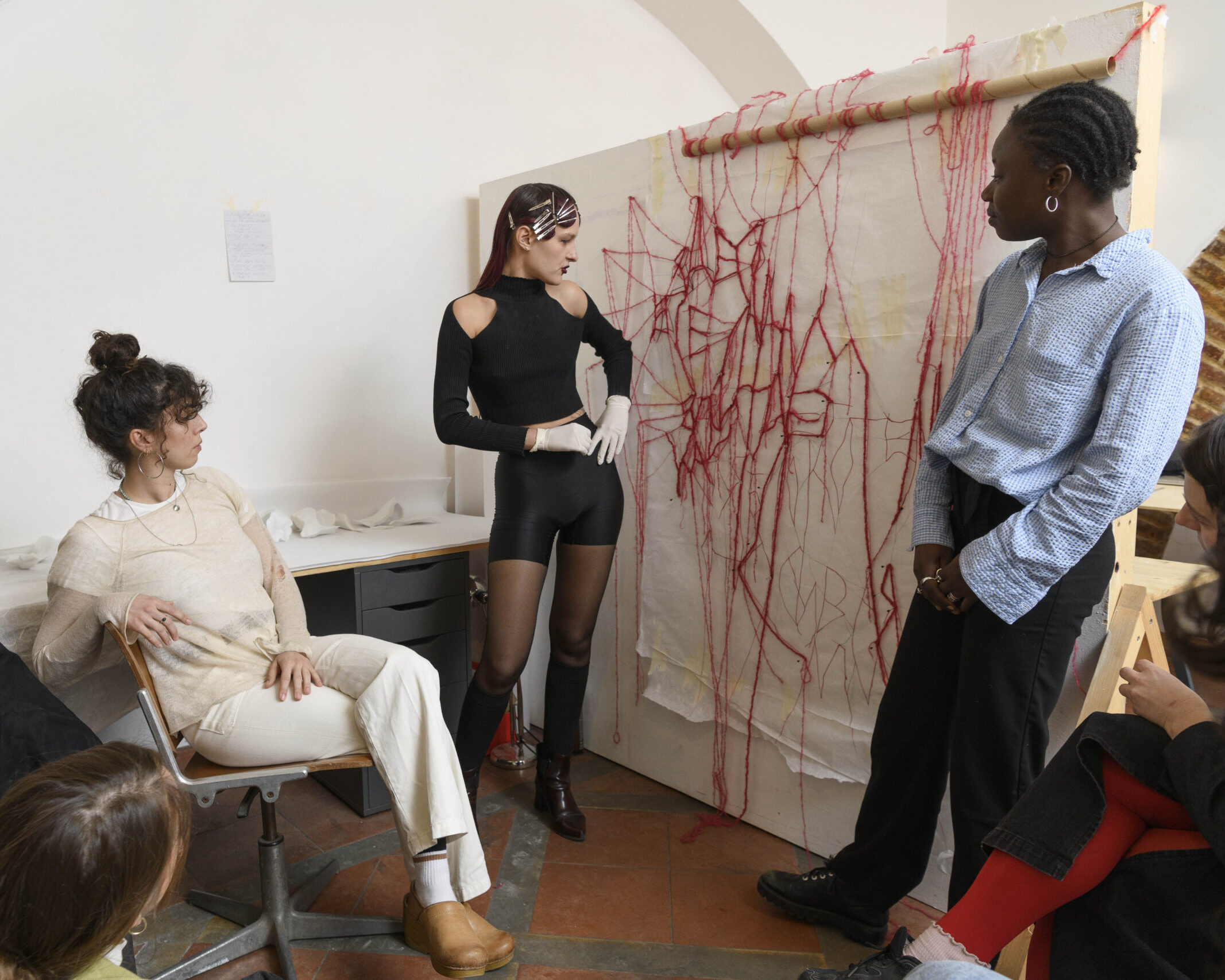
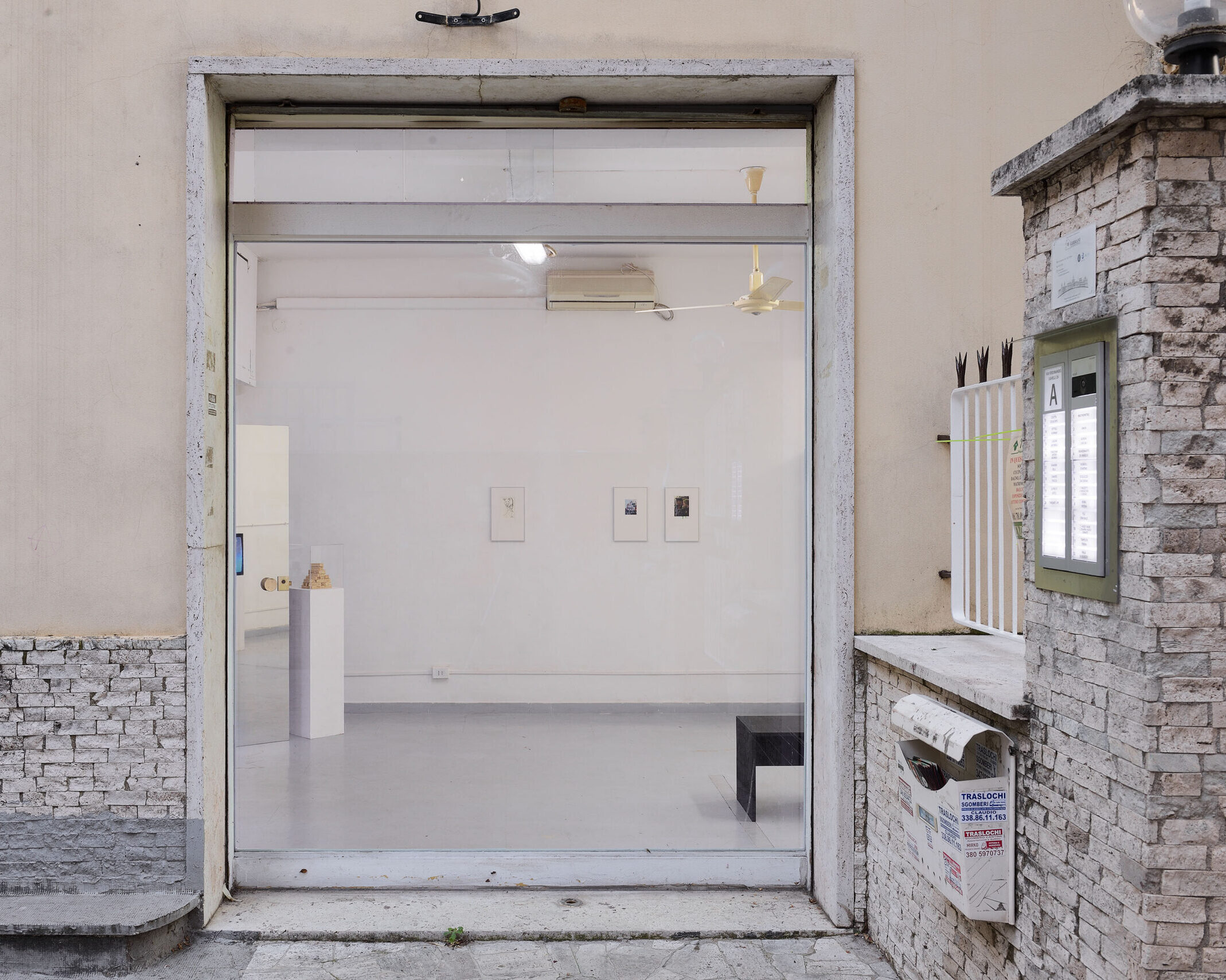
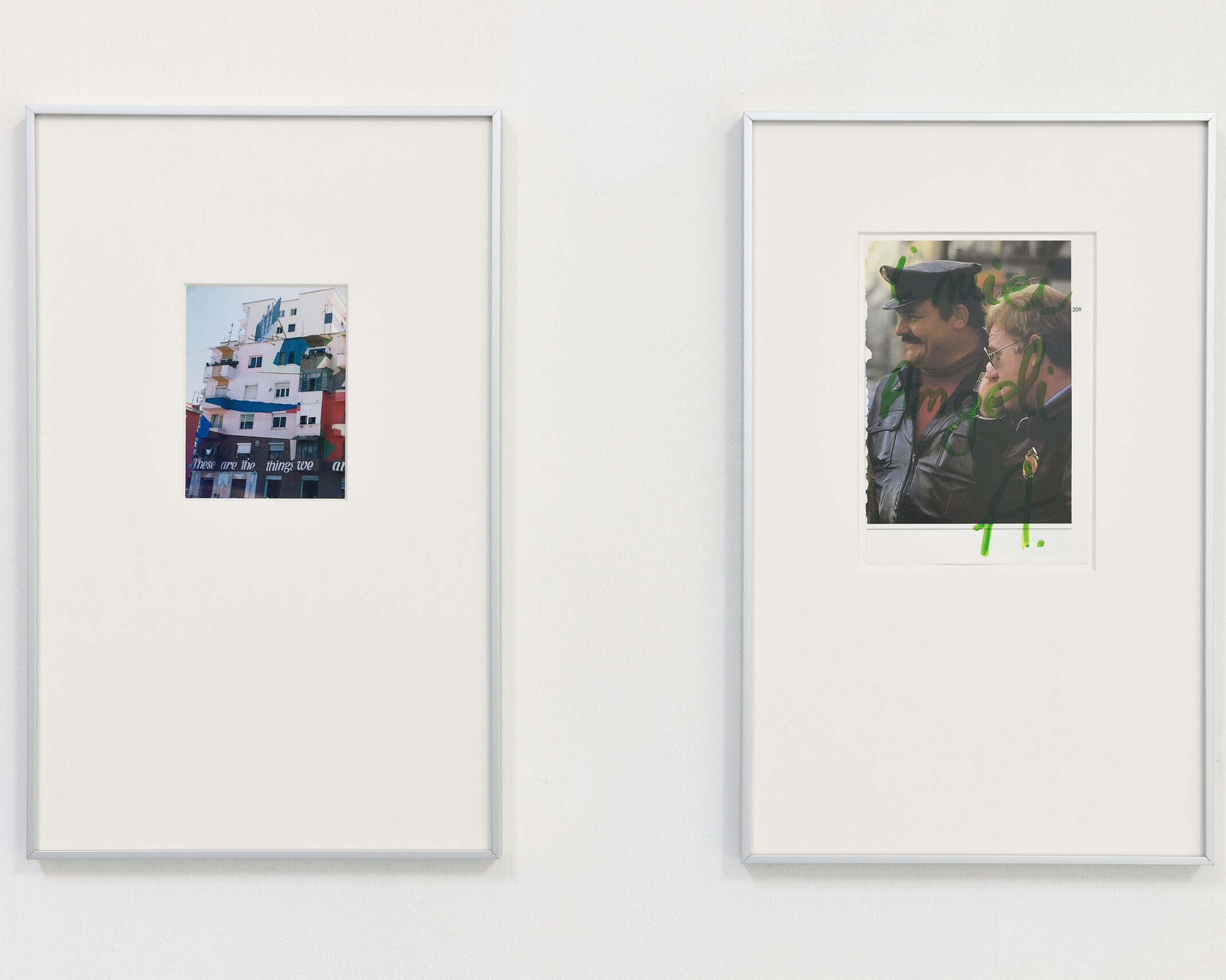
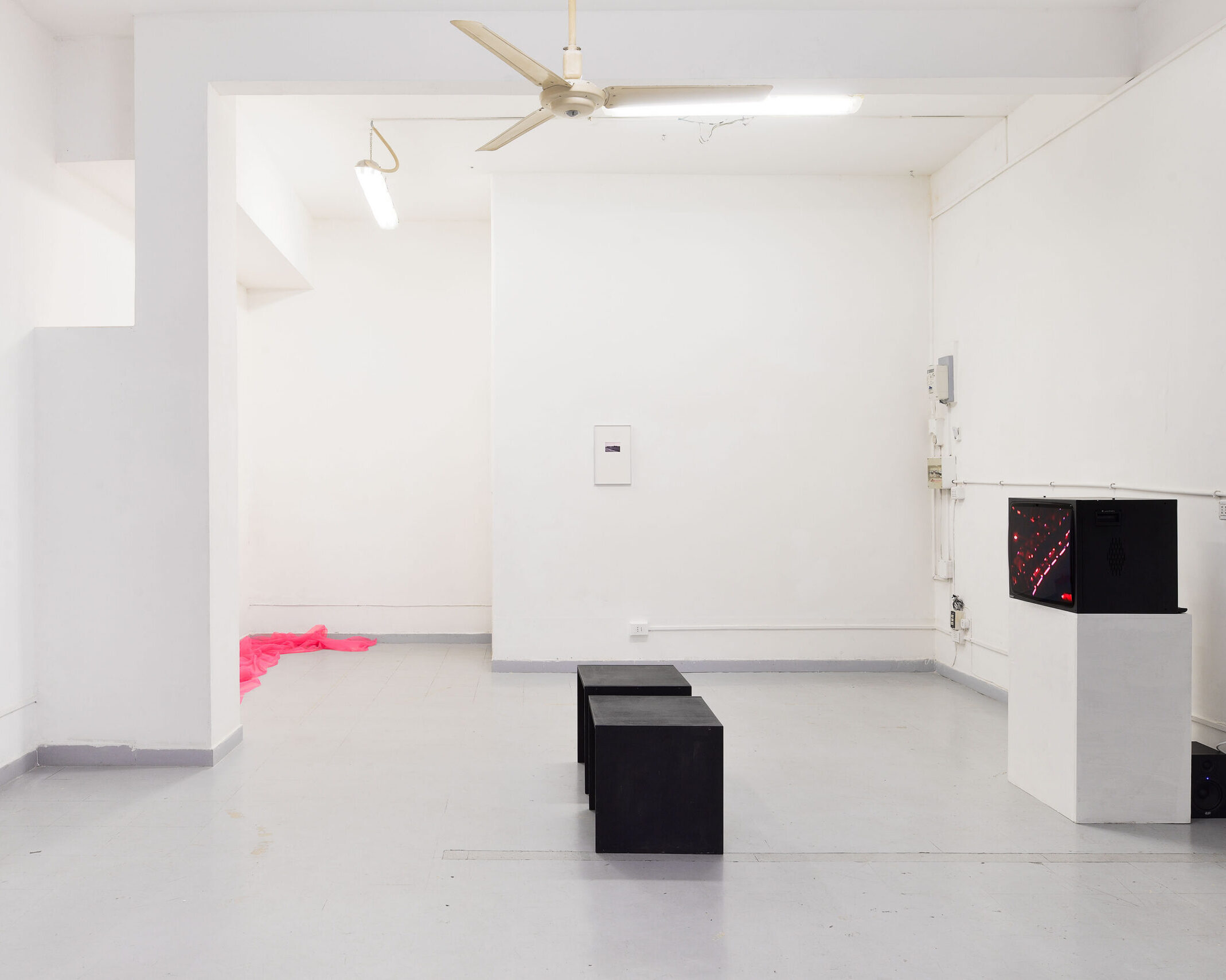
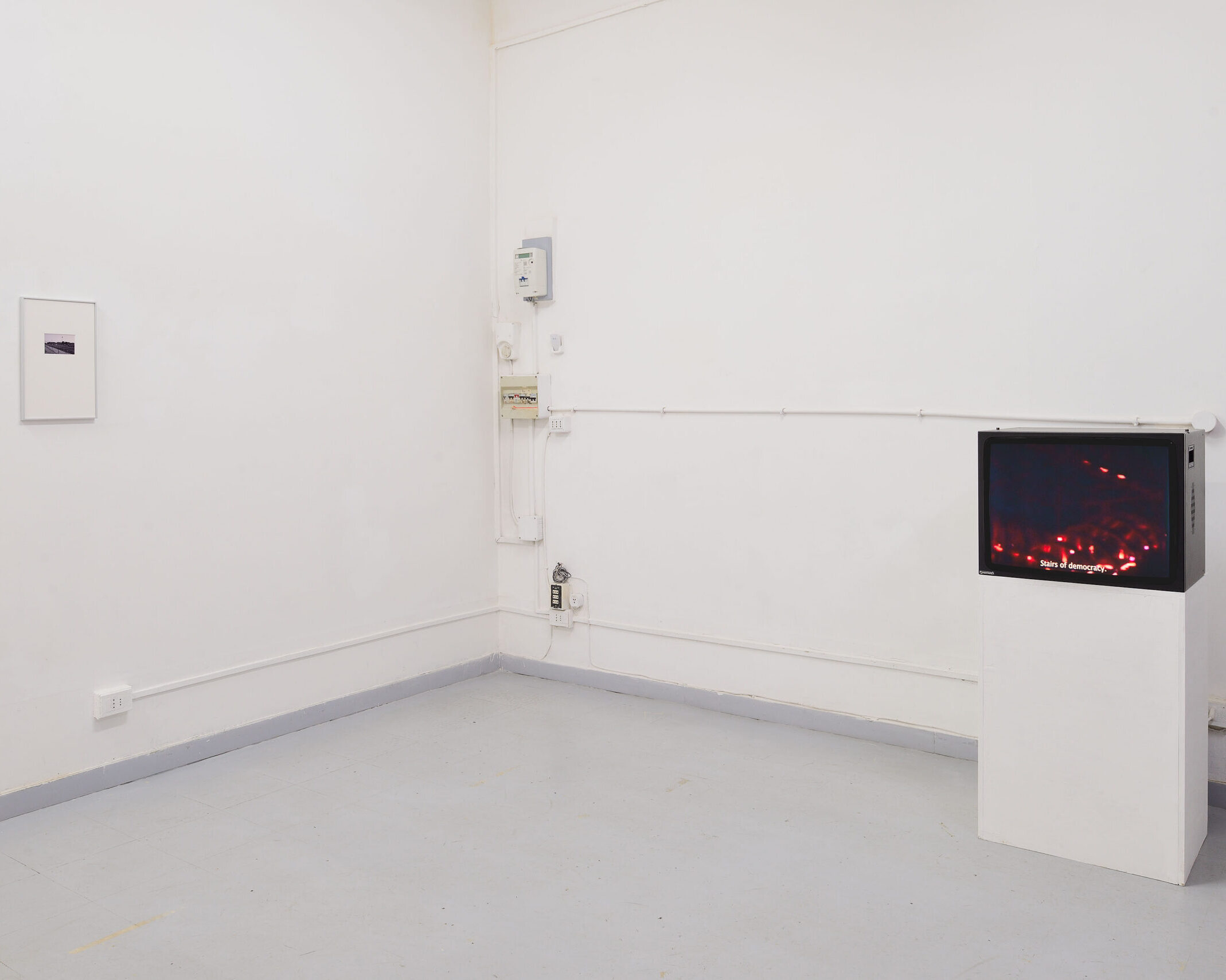
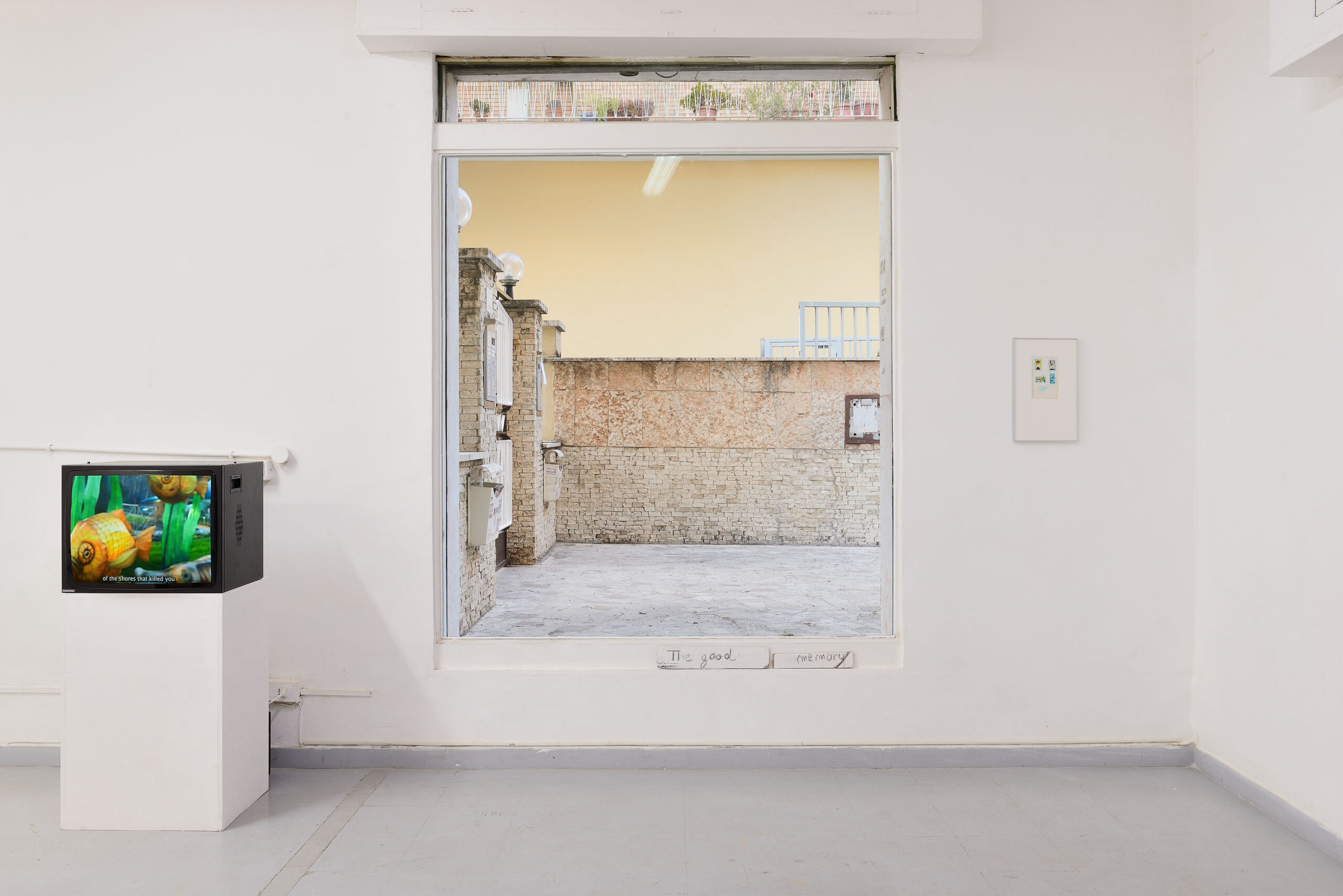
The independent project space Lateral Roma (Appio Latino) was founded in 2020 and is run by a team of artists and curators. The space is a platform for Italian and international artists to converse through exhibitions, workshops, and talks. This year’s project with Albanian artist Endi Tupja included the exhibition Bones Touching Water (4 June–18 July 2026), the logomotion workshop Sedimenting Grief, Performing Memory (24 May 2026), and talks with the artist, moderated by curator Marta Federici, who co-runs Lateral together with Jacopo Rinaldi, Laura Cabezas, Jazmina Figueroa, and Camilla Paolino. Lateral’s projects involve the exhibition space itself as an active site of reciprocal growth and continuous co-production that only begins from the installation itself to then live through the confining area and neighbourhood.

What unites these off-spaces is not a shared ideology, but a general engagement with the realities of contemporary city life. Their programming directly reflects their environments, even when approaching them from different angles (and neighborhoods): Spazio In Situ looks at the city through an ironic and production-obsessed lens; CONDOTTO48 uses projects like TUBATURE and PAGINEGIALLE to weave the social fabric of the eastern periphery; CASTRO interrogates the historicized city center by turning Trastevere into a pedagogical castrum for alternative learning; Lateral Roma explores themes of memory, migration, and grief through heavily research-led installations.

These spaces don’t surrender to the idea of Rome as a classical background or an open-air museum. Though in different ways, they all represent a city whose artistic identity refuses to be defined solely by its heavy historical weight: the creative city map evolves constantly, daily rewriting and affirming new art urbanism.

Footnotes

[1] “Fuori Raccordo” refers to the Grande Raccordo Anulare, the Autostrada A90, a ring motorway that encircles central Rome. It signals that we are talking of outskirts and more peripheral areas, though not all the spaces mentioned are actually physically outside the motorway.

Chiara Gargiuli
is a curator and researcher from Rome, Italy. Her work explores the intersections of projection, perception, and collective trauma in contemporary art. Since graduating with honors from her MA at the Accademia di Belle Arti di Roma (2024), she has worked with various institutions across Europe, including Kunstverein St. Gilgen, Galerie Layr, and Lidice Art Gallery, combining curatorial and authorial work with a focus on ecological and urban narratives. She is particularly interested in how place shapes artistic production and experience, and how art can engage with the neuroscientific processes of human–non-human relations.

Satellit 2: Of(f) Spaces

Ob Garage, Umkleidekabine oder Autohaus: Was ist ein Offspace, wie finanziert er sich und worin liegt seine Relevanz? Wie unterscheiden sich mögliche Entwürfe voneinander und wann wird aus einem Gegenentwurf selbst eine etablierte Struktur? Satellit 2 versammelt fünf Beiträge, die das Thema in unterschiedlichen Tönen und Textsorten fragmentarisch zu fassen versuchen – von Salzburg über Berlin und Kopenhagen bis nach Rom. 

Die Satelliten des magazin53a

Die Satelliten sind die thematischen Schwerpunktausgaben des magazin53a, die mehrmals jährlich erscheinen und mehrere Beiträge zu einer übergeordneten Fragestellung versammeln. Sie positionieren künstlerische und kunstkritische Praxis im Kontext überregional relevanter Diskurse und zeigen zugleich, wie sich diese Auseinandersetzung ins Verhältnis zu lokalen Kontexten setzen lässt. Nach dem Schwerpunkt Porträt in Satellit 1 nimmt Satellit 2 den Offspace zum Ausgangspunkt.